Hexagram 3 — Difficulty at the Beginning: Six at the Top Line Explained

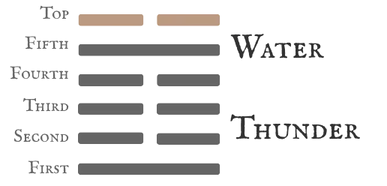
Six at the Top: Horse and wagon part. Bloody tears flow. The final line of Hexagram 3 symbolizes difficulty at its extreme — stranded and weeping tears of blood. Yet the darkest hour is just before dawn, and reversal is imminent.

Yao Position Overview

Yao Text

Six at the Top: Horse and wagon part. Bloody tears flow.

Tuan Commentary

The Tuan Commentary says: Difficulty at the Beginning — the firm and the yielding begin to interact, and difficulty is born. Movement amid danger leads to sublime success through perseverance. The movement of thunder and rain fills all things to overflowing. Heaven creates the primal chaos — it is fitting to appoint helpers, yet there shall be no rest.

Hexagram 3 Difficulty at the Beginning — Six at the Top Line Card

The Six at the Top is the final line of Hexagram 3 — a yin line in the highest position, where difficulty has developed to its utmost extreme. "Horse and wagon part" still carries the image of being stuck and unable to advance — this motif appears repeatedly throughout Hexagram 3 (Six in the Second and Six in the Fourth also have it), representing the state of being trapped with no way out. "Bloody tears flow" describes weeping until tears run with blood, an unending stream — the most extreme expression of grief and despair.

The entire line is only eight characters, yet the imagery is devastatingly vivid: a person on horseback, stranded in a vast wilderness with no way forward, weeping tears of blood. This is what happens when Hexagram 3's difficulty reaches its absolute peak — hardship so great it drives one to despair, pain so deep it draws blood from the eyes. Yet from the I Ching's principle of "reversal at the extreme," when things develop to their utmost point, transformation is inevitable. The deepest darkness comes just before dawn.

Yilore Reading

The Resilient Seed Beneath the Stone

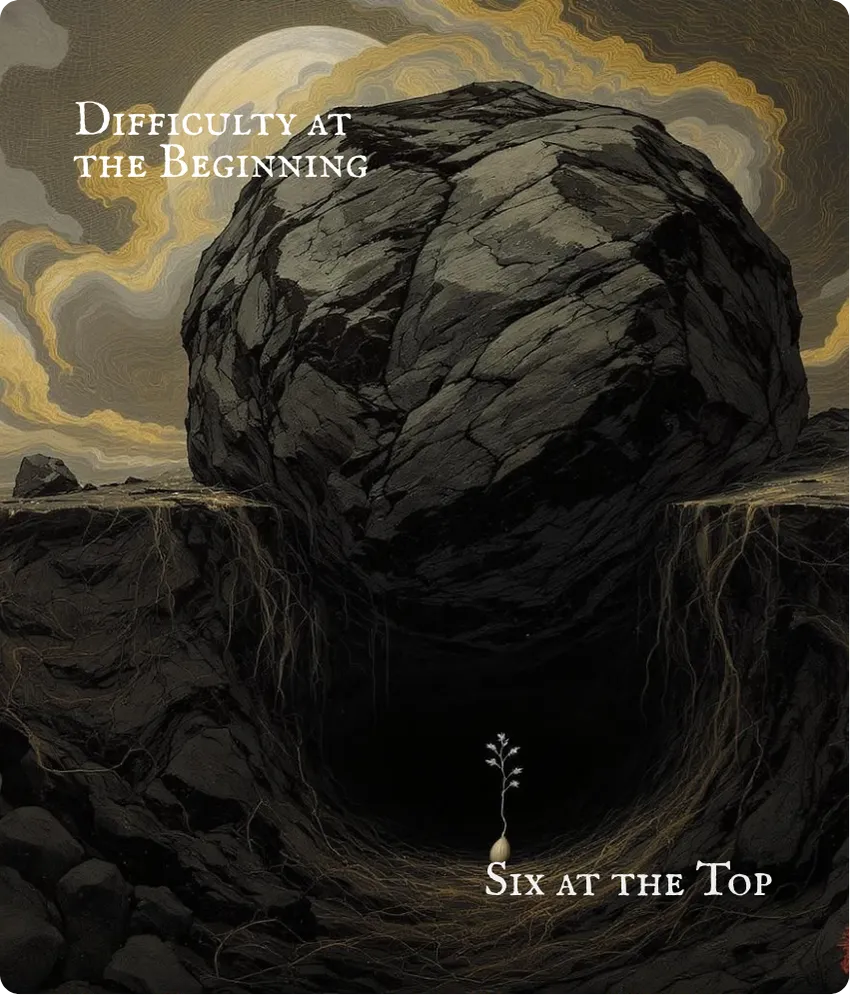
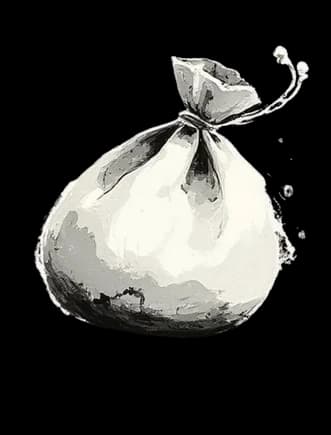
Hexagram 3 Difficulty at the Beginning — Six at the Top Line Front
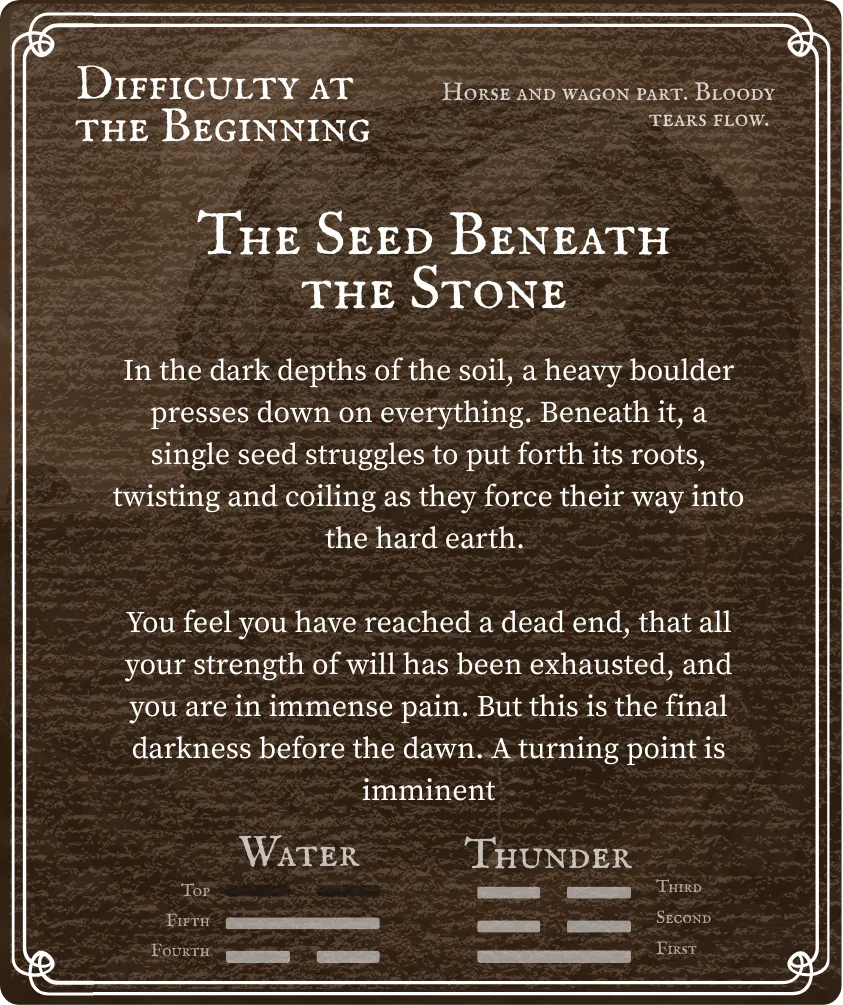
Hexagram 3 Difficulty at the Beginning — Six at the Top Line Back

Yilore interprets the Six at the Top of Hexagram 3 as "the darkest hour." When this card appears, it acknowledges a heavy reality: your current situation is truly very difficult — perhaps so painful that you are weeping tears of blood. Every effort seems to yield no return; every path seems to have reached a dead end.

But look at the seed on the card — a massive stone pressing down from above, the earth hard and unyielding, yet it is still stubbornly sending out roots, twisting and coiling their way deeper into the soil. This is the card's most essential message: you are in the deepest darkness just before dawn. Hexagram 3 at the Six at the Top has reached the absolute extreme, and when things reach their extreme, they must reverse — the peak of difficulty means transformation is imminent. You don't need to see the light right now. You only need to be like that seed — hold on a little longer. When the boulder is finally cracked open by your resilience, the light that floods in will illuminate your entire life.

Divination Insights

The Six at the Top line speaks to the theme of "the darkest hour, reversal at the extreme." This is the most painful position in Hexagram 3 — you may be experiencing unprecedented difficulty and anguish. But from the principles of hexagram theory, difficulty has reached its peak, and what follows must be transformation. The overall tone: grit your teeth and hold on — do not give up. Dawn is just ahead.

Career

Six at the Top depicts an extremely difficult career situation. You may be facing layoffs, total project failure, a business on the verge of bankruptcy, or severe professional setbacks and injustice. Every day feels like torment, and you may even be questioning whether your original choices were right. But remember: Hexagram 3 at the Six at the Top has reached the absolute extreme of difficulty — and when things reach their extreme, they must reverse. The worst moment, once past, is the beginning of recovery. The most important thing now is not to give up at the final hour. Actively seek external support — confide in someone you trust, seek professional career counseling, or explore an entirely different direction. A seed in the dark doesn't need to see the sunlight — it only needs to keep sending down roots.
Relationships

In love, Six at the Top reflects a heartbreaking experience. You may be going through the pain of a breakup, the trauma of betrayal, the despair of endless waiting, or the repeated hurt and disappointment within a relationship. "Bloody tears flow" precisely captures your current feelings — grief at its absolute limit. First, allow yourself to grieve — don't force a smile. But also remember two things: first, even the deepest pain will gradually ease with time; second, when a relationship reaches its end, it often means what you truly need is not this relationship. Like that seed — the ground beneath the boulder is not where it should grow, but its roots will find the cracks, and eventually new life will emerge.

Wealth

Financially, Six at the Top suggests you may be facing severe financial distress — major investment losses, crushing debt, income disruption, or an unexpected economic blow. "Bloody tears flow" is not just emotional pain but may represent the visceral sting of financial loss. The three most critical words now are: stop the bleeding, seek help, rebuild. "Stop the bleeding" means immediately halting all non-essential spending and new investments. "Seek help" means turning to family, friends, or professional financial advisors — don't tough it out alone because of pride. "Rebuild" means once the losses are contained, start from the most basic level and rebuild your financial system piece by piece. No financial crisis is the end of the world — as long as you're still standing, there's always a chance to rise again.

Health

Health-wise, Six at the Top issues the most serious warning. Prolonged suffering and pressure have placed an enormous burden on your body and mind, potentially manifesting as severe symptoms — deep insomnia, persistent anxiety or depression, severely compromised immunity, chronic pain. "Bloody tears flow" is not just an emotional expression — it may be your body sending an emergency distress signal. Please take the following seriously: first, if you experience persistent low mood or thoughts of self-harm, seek professional psychological help immediately; second, don't push through — rest when you need to, take leave when you need to; third, maintain the most basic life order — eat on time, try to sleep, go outside for a walk. Remember: you are that seed beneath the stone. Though the pain is real right now, you are gathering the strength to break through to the surface.

易羅 アプリのアイコン

Get the Yilore app

Full charts, daily hexagrams, and deeper AI readings on your phone.

App Store

FAQ

What does 'Horse and wagon part. Bloody tears flow' mean in the Six at the Top?

"Horse and wagon part" describes being on horseback yet unable to advance — this image recurs throughout Hexagram 3 (Six in the Second and Six in the Fourth also have it), representing the state of being stuck with no way out. "Bloody tears flow" describes weeping until tears run with blood, streaming without end — the most extreme expression of grief. The entire line is only eight characters, yet the imagery is devastatingly vivid: a person on horseback, stranded in a vast wilderness with no path forward, weeping tears of blood. This is what happens when Hexagram 3's difficulty reaches its absolute peak. Yet from the I Ching's principle of "reversal at the extreme," when things develop to their utmost point, transformation is inevitable — the deepest darkness comes just before dawn.

I received a changing Six at the Top in Hexagram 3 — is there still hope?

Yes, there is hope — and it is closer than you think. Though the Six at the Top depicts the most painful moment, from the principles of the I Ching, Hexagram 3 at the Six at the Top has reached the endpoint of difficulty — what follows must be transformation. Just as the deepest moment of night is precisely when dawn is about to break, your current darkest hour is a harbinger of light to come. What you need to do now is not to give up in despair, but to be like that seed beneath the stone on the card — silently, tenaciously, unyieldingly continuing to send down roots. Perhaps you cannot see the light yet, but believe this: every inch your roots extend is strength being gathered for the moment of breaking through. Hold on just a little longer — the turning point is right ahead.

How does the Six at the Top of Hexagram 3 differ from the Nine at the Top of Hexagram 1 (The Creative — 'Arrogant dragon will have cause to repent')?

Both are the final lines of their respective hexagrams, both at extreme positions, but their natures are completely different. The Nine at the Top of Hexagram 1 — "arrogant dragon will have cause to repent" — is the decline that follows success taken to its extreme. The dragon has flown too high and begins to regret. That is the law of "prosperity turns to decline." The Six at the Top of Hexagram 3 — "bloody tears flow" — is the despair and pain that come when difficulty reaches its extreme. One has reached a dead end, weeping tears of blood. That is the law of "extremity turns to change." One falls from the peak with regret; the other struggles at the bottom in agony. Yet both contain the seed of transformation: after the arrogant dragon's regret comes restraint and renewed accumulation; after the bloody tears comes the dissolution of difficulty and the dawn of a new chapter. The difference: the former must learn humility; the latter must learn to persevere.